HEART CARE · KOTHRUD, PUNE

Palpitations treatment in Pune

Care for a racing, irregular or slow heartbeat, dizziness and fainting spells.
Palpitations, a feeling that the heart is racing, pounding or skipping, are common and often harmless. But some rhythm problems need treatment. Dr Gauri Karmarkar uses ECG and Holter monitoring to find the cause and explains the options clearly.
Palpitations and heart rhythm treatment in Pune
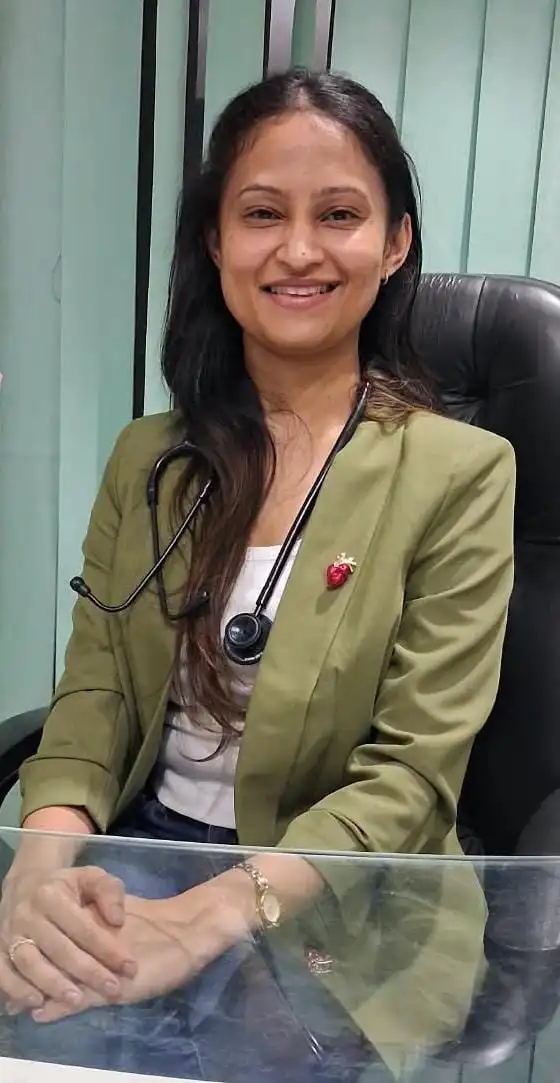
Dr Gauri Karmarkar
DrNB Cardiology · Consultant Cardiologist
DrNB Cardiology
Deenanath Mangeshkar Hospital, Pune
Specialised Cardiac Expertise
Angiography · Angioplasty · 2D Echo
Your language
English · Hindi · Marathi ·
OPD in Kothrud, Pune
Anurag Heart Care
OVERVIEW

Heart rhythm problems

Your heartbeat is controlled by an electrical system. Rhythm problems (arrhythmias) happen when this system fires too fast, too slow or irregularly. Some cause only a fluttering feeling; others can cause dizziness, fainting, stroke or heart failure.
Common causes of palpitations include extra beats (ectopics), atrial fibrillation, supraventricular tachycardia (SVT), thyroid problems, anaemia, caffeine, stress and some medicines. A slow heartbeat can cause tiredness, dizziness and fainting.
For palpitations treatment in Pune, the first step is to record the rhythm while symptoms happen, so treatment is based on evidence, not guesswork.
AT A GLANCE
FIRST TEST
ECG
TO CATCH EPISODES
Holter (24–48 h)
ALSO CHECKED
Thyroid, echo, BP
TREATMENT
Medicines, pacemaker
SYMPTOMS

When palpitations need attention

Occasional skipped beats are common. See a cardiologist if palpitations are frequent, last long or come with other symptoms.

See a cardiologist if you have

—
A fast heartbeat that starts and stops suddenly
—
An irregular pulse, especially over age 60
—
Palpitations with breathlessness or chest discomfort
—
Episodes that keep coming back

Slow-heartbeat symptoms

—
Dizziness or light-headedness
—
Fainting or near-fainting, especially without warning
—
Unusual tiredness
—
A pulse below 50 with symptoms
When to go to emergency
Palpitations with fainting, chest pain, severe breathlessness, or a very fast heartbeat that will not settle need emergency care. Go to the nearest hospital emergency or call 108.
Irregular heartbeat and atrial fibrillation
ATRIAL FIBRILLATION

An irregular heartbeat and stroke risk

Atrial fibrillation (AF) is the most common sustained rhythm problem. The upper chambers quiver instead of beating properly, which can cause palpitations, breathlessness and tiredness, though some people have no symptoms.
AF increases the risk of stroke, because clots can form in the heart. Treatment focuses on controlling the heart rate or rhythm and, for many patients, blood thinners to prevent stroke.
SLOW HEARTBEAT AND FAINTING

Dizziness, fainting and a slow pulse

A heartbeat that is too slow, or that pauses, can reduce blood flow to the brain and cause dizziness or fainting. Fainting can also have other causes, such as a drop in blood pressure.
Once the cause is clear, treatment may be as simple as changing a medicine, or may need a pacemaker.
Slow heartbeat, dizziness and fainting
Finding the cause of palpitations with ECG and Holter
FINDING THE CAUSE

Catching the rhythm with ECG and Holter

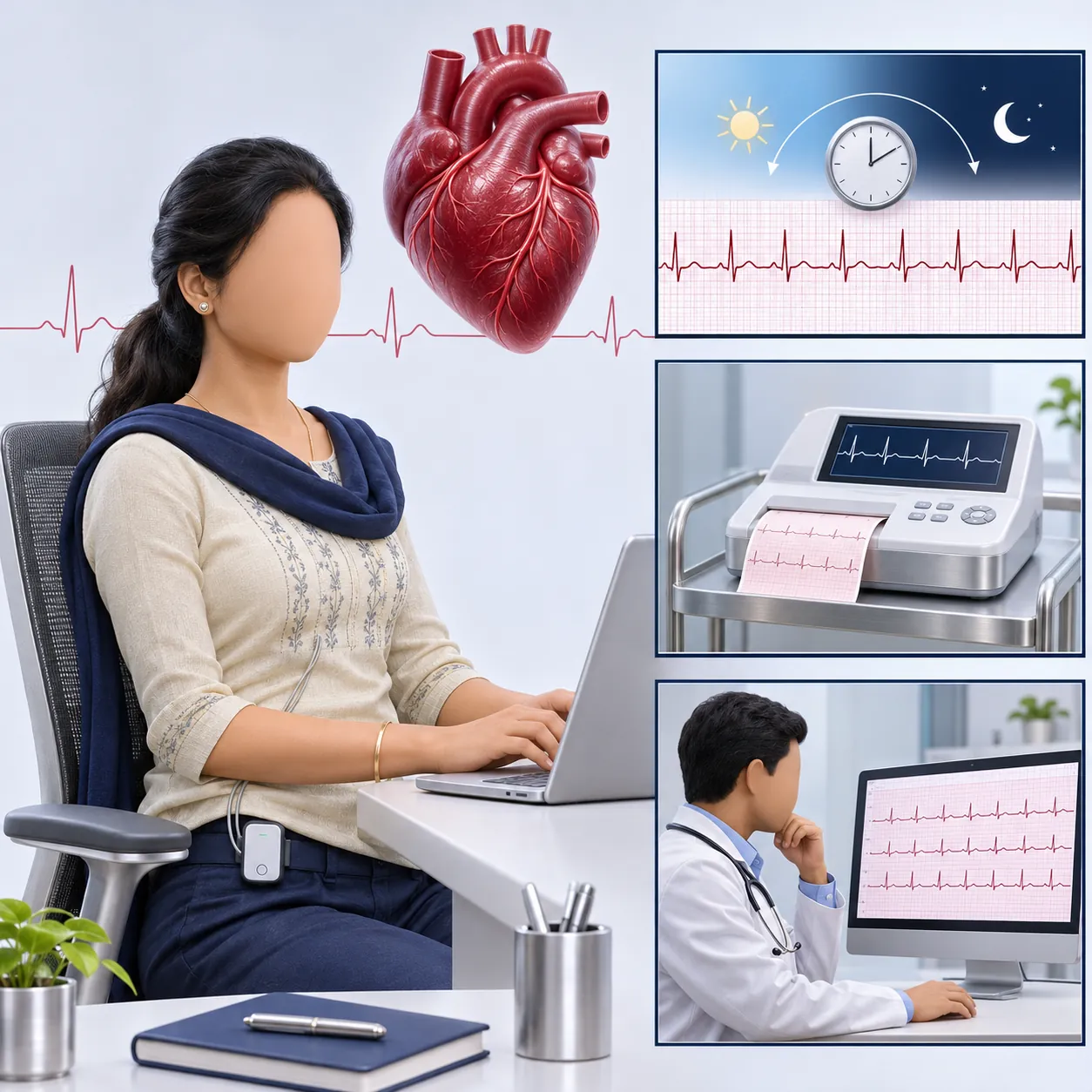
An ECG records the rhythm in a few minutes. Because palpitations come and go, a Holter monitor that records every heartbeat for 24 to 48 hours often shows what is happening during symptoms.
A 2D echo checks the heart’s structure, and blood tests look for thyroid problems, anaemia and salt imbalances.
Dr Gauri Karmarkar trained in electrophysiology studies and radiofrequency ablation during her DrNB. When an ablation is the best option, she will guide you to the right centre.
YOUR RHYTHM ASSESSMENT

From symptoms to a clear answer

A structured approach that records the rhythm before deciding on treatment.
01

Consultation

Your symptoms, triggers, medicines and family history are reviewed.
02

Record the rhythm

ECG, and a Holter recording to catch episodes as they happen.
03

Check the heart

2D echo and blood tests to look for underlying causes.
04

Treat

Lifestyle changes, medicines, blood thinners or a pacemaker, as needed.
MEET YOUR CARDIOLOGIST

Meet Dr Gauri Karmarkar

MBBS · DNB (General Medicine) · DrNB (Cardiology)
Dr. Gauri Karmarkar is a Consultant Cardiologist with specialised training in Interventional Cardiology and General Medicine. She holds an MBBS degree from BJ Medical College, Pune, a DNB in General Medicine from Inlaks and Budhrani Hospital, Pune, and a DrNB in Interventional Cardiology from Deenanath Mangeshkar Hospital and Research Institute, Pune.
With professional experience at leading healthcare institutions in Pune, including Kamla Nehru Hospital and Fabiani Budhrani Heart Institute, she has developed clinical experience in the diagnosis and management of cardiovascular conditions.

Her clinical expertise includes 2D Echocardiography, Coronary Angiography, Percutaneous Coronary Angioplasty, Cardiac Catheterisation and various advanced interventional cardiology procedures. She also has experience with temporary pacemaker insertion, pericardial effusion tapping and other specialised cardiac procedures.

Dr. Gauri believes in evidence-based medical practice, compassionate patient care and a personalised approach to understanding cardiovascular health. Her professional interests include preventive cardiology, clinical research and medical education.

At Anurag Heart Care, her approach focuses on helping patients understand their heart health, receive appropriate medical guidance and make informed decisions about their cardiovascular well-being.
Her commitment is simple: providing thoughtful, evidence-based cardiac care with dedication and compassion.
FAQS

Palpitations: common questions

Still have a question? Call or WhatsApp the clinic.

Are palpitations dangerous?

Most are harmless, such as extra beats from caffeine or stress. But palpitations with fainting, chest pain or breathlessness should be checked promptly.

What should I do during an episode?

Sit down, note the time and check your pulse if you can. If possible, get an ECG done during the episode at a nearby clinic or hospital.

Can stress and tea or coffee cause palpitations?

Yes. Caffeine, alcohol, lack of sleep, stress and some cold medicines can all trigger palpitations.

Does atrial fibrillation need blood thinners?

Many patients with AF need blood thinners to prevent stroke. The decision depends on your age and other risk factors.

What is a Holter test?

A small recorder worn for 24 to 48 hours that records every heartbeat during your normal day, to catch rhythm problems that come and go.

Where can I get palpitations treatment in Pune?

Dr Gauri Karmarkar consults in Pune at Anurag Heart care and Kolekar Multispeciality Hospital. Call +91 9356253548 to book.

RELATED CARE

You may also find these helpful

Related tests and treatments, explained in the same clear way.
HEART TEST

Holter & Ambulatory BP Monitoring

24 to 48-hour recordings of your heartbeat and blood pressure.
HEART PROCEDURE

Pacemaker Implantation

Restoring a steady heartbeat when the heart beats too slowly.
HEART TEST

ECG & 2D Echocardiography

Quick, painless tests of your heart rhythm, pumping and valves.
BOOK AN APPOINTMENT

Book a consultation with a cardiologist in Kothrud, Pune

Leave your name and number, and the clinic will call you back to fix a time at the hospital that suits you.
CALL OR WHATSAPP
EMAIL
OPD
Anurag Heart Care: Mon–Sat · 10–8 pm

Request a call back

Takes less than a minute. Only your name and phone number are required.

    For severe chest pain or breathlessness, do not wait: go to the nearest hospital emergency or call 108.